
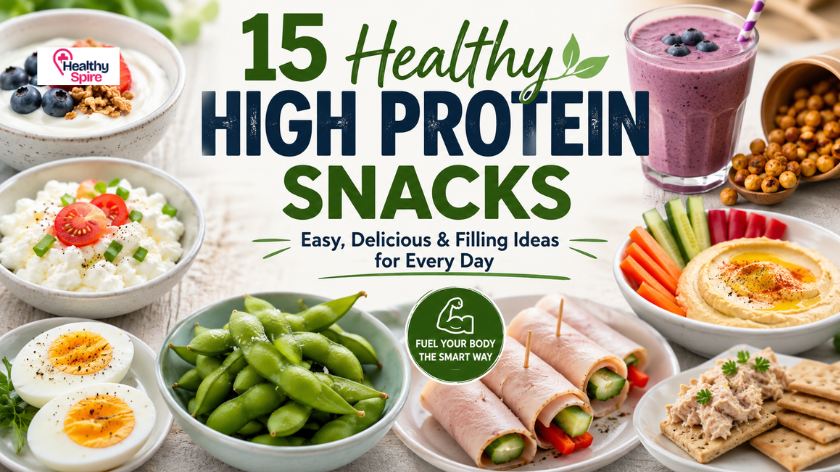
Healthy high protein snacks can make the time between meals easier to manage. Good options include Greek yogurt, cottage cheese, eggs, tuna, edamame, roasted chickpeas, turkey, and simple combinations of nuts or seeds. The right choice depends on your schedule, dietary needs, and appetite.
Protein-rich snacks are most useful when they also provide fiber, produce, or nourishing fats. That combination gives you more than a single nutrient and often creates a more satisfying snack.
High-Protein Snack Ideas at a Glance
| Snack | Typical protein range | Best feature |
| Greek yogurt with berries | 12–18 grams | Sweet, creamy, and quick |
| Cottage cheese with tomatoes | 12–15 grams | Savory and filling |
| Two hard-boiled eggs | About 12 grams | Portable with simple prep |
| Tuna and whole-grain crackers | 15–20 grams | Shelf-stable before opening |
| Shelled edamame | 12–18 grams | Plant-based and rich in fiber |
| Turkey roll-ups | 12–18 grams | Low-prep savory option |
| Roasted chickpeas | 6–10 grams | Crunchy and plant-based |
| Protein smoothie | 15–25 grams | Easy to customize |
| Cheese with fruit | 7–14 grams | Balanced sweet-and-savory choice |
| Hummus snack plate | 6–10 grams | Adds vegetables and fiber |
Protein amounts vary by brand, recipe, and serving size. USDA Food Data Central provides current food-composition data, while package labels give the most accurate values for branded products.
What Makes a Protein Snack Healthy?
A high protein count doesn’t automatically make a snack nutritious. A useful snack should fit your hunger, daily eating pattern, and health needs. Look for three qualities:
- A meaningful source of protein
- A reasonable serving for your appetite
- At least one other useful food group, such as fruit, vegetables, whole grains, nuts, or seeds
Protein needs differ between individuals. Age, body size, activity, pregnancy, health conditions, and total food intake can all affect personal requirements. Recommended Dietary Allowances are designed to meet the needs of nearly all healthy people in a specific group, but they aren’t personalized targets.
A practical snack often provides roughly 10 to 20 grams of protein. You don’t need to reach that range every time. Smaller snacks can still work when your meals already cover your needs.
Visit HealthySpire for more practical wellness and nutrition guidance as new resources are published.
15 Healthy High Protein Snacks to Try
1. Greek Yogurt With Berries
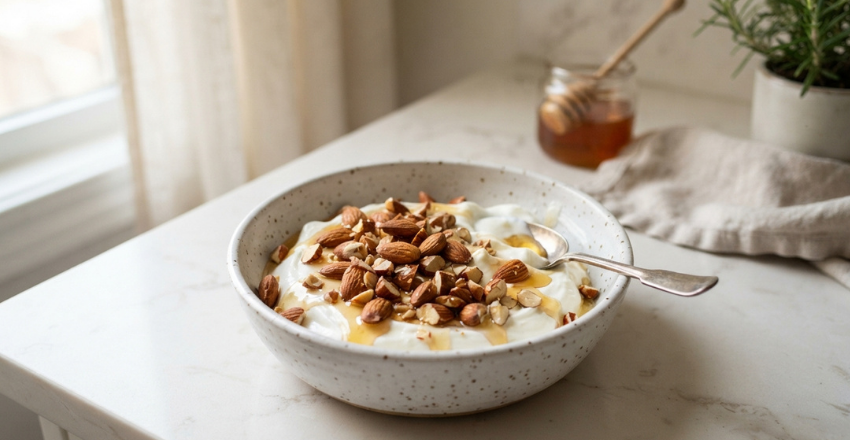
Choose plain Greek yogurt, then add berries, sliced peaches, or another fruit. Greek yogurt commonly provides more protein than standard yogurt because much of its liquid whey has been removed. Fruit adds natural sweetness and fiber. A spoonful of seeds can add crunch and nourishing fats. Single-serving Greek yogurt cups often contain about 12 to 18 grams of protein, although brands differ.
2. Cottage Cheese With Tomatoes and Pepper
Cottage cheese works with both sweet and savory toppings. For a savory bowl, add chopped tomatoes, black pepper, cucumber, and herbs. For a sweeter version, use pineapple, berries, or cinnamon. Check the sodium level when comparing containers, particularly when you eat cottage cheese often.
3. Hard-Boiled Eggs With Fruit
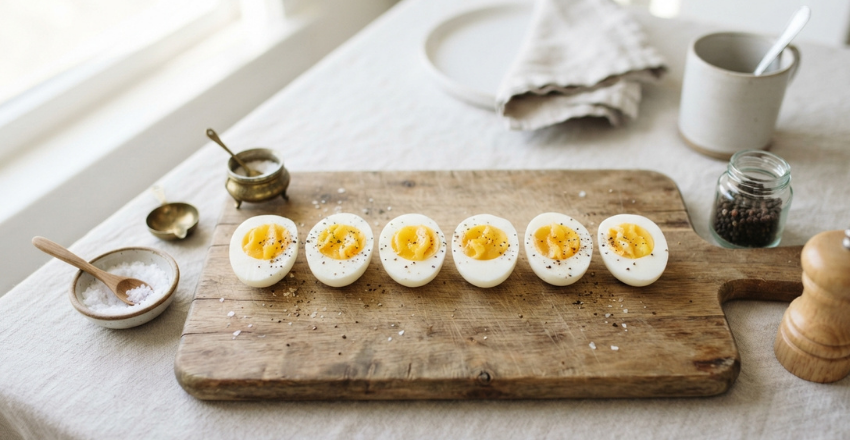
Prepare several eggs at once and refrigerate them for busy days. Pair two eggs with an apple, orange, or grapes for carbohydrates and fiber. One large egg supplies about 6 grams of protein, making two eggs a simple snack with roughly 12 grams.
4. Tuna With Whole-Grain Crackers
A tuna pouch or small can offers a concentrated source of protein. Serve it with whole-grain crackers, cucumber slices, or bell pepper strips. Choose a lower-sodium variety when available. You can mix the tuna with Greek yogurt, lemon juice, mustard, or mashed avocado instead of relying on a heavy dressing.
5. Steamed Edamame
Shelled edamame is one of the easiest plant-based choices. Buy it frozen, heat the amount you need, and season it with lemon, chili flakes, or a small pinch of salt. Soy foods contribute protein along with other nutrients. Edamame can also be served cold, which makes it useful for packed lunches.
6. Turkey and Vegetable Roll-Ups
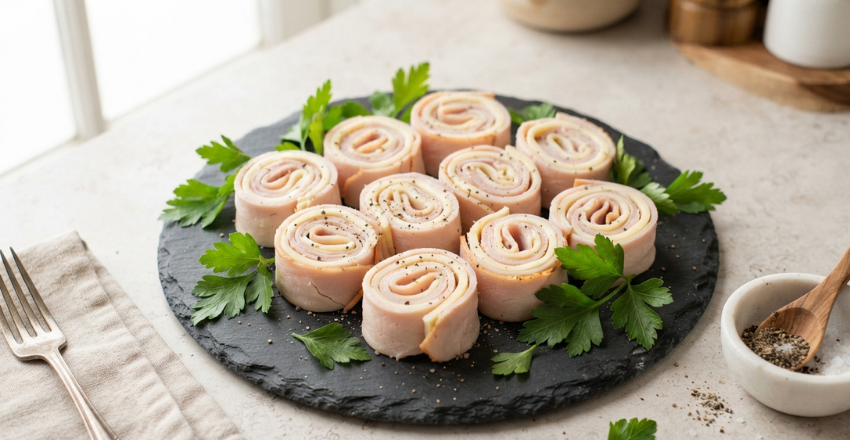
Wrap sliced turkey around cucumber strips, bell peppers, or a small piece of cheese. Secure each roll with a toothpick when packing them. Compare deli-meat labels because sodium and added ingredients vary widely. Leftover home-cooked turkey or chicken is another option.
7. Roasted Chickpeas
Roasted chickpeas provide a crunchy alternative to chips. Season them with paprika, garlic, cumin, curry powder, or cinnamon. Chickpeas contain protein, starch, and dietary fiber. Their exact nutrient content changes with the serving size and preparation method.
8. Apple Slices With Peanut Butter
Slice an apple and add one or two tablespoons of peanut butter. This pairing combines fruit with plant protein and fat. Measure the nut butter when the portion size matters to you. Nut and seed butters are energy-dense, so a modest serving may be enough.
9. A Simple Protein Smoothie
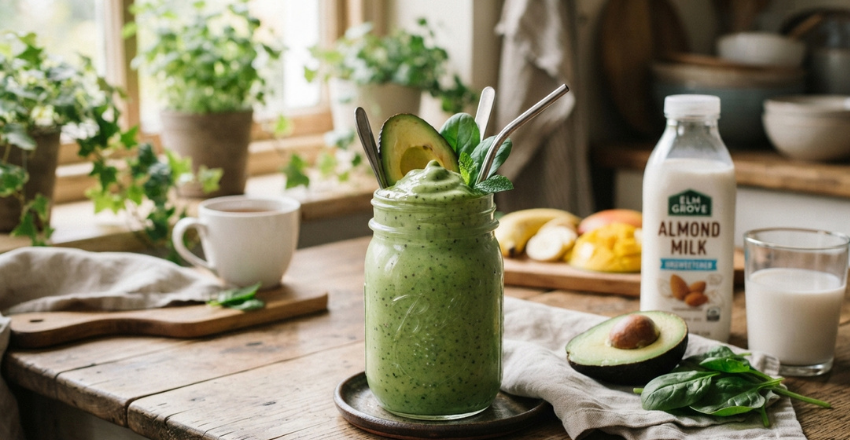
Blend milk or fortified soy milk with Greek yogurt, fruit, and ice. You can also add oats, nut butter, or chia seeds. Protein powder is optional. A smoothie made from regular foods may already provide enough protein for a snack. Check the final serving size, since large smoothies can become closer to a meal.
10. Cheese With Pear or Grapes
Pair cheese with fresh fruit for a snack that needs almost no preparation. Cheddar, mozzarella sticks, and mini cheese rounds travel well with an ice pack. This option provides protein and calcium, while the fruit adds carbohydrates and fiber. Calcium requirements change with age and life stage.
11. Hummus With Vegetables and Pita
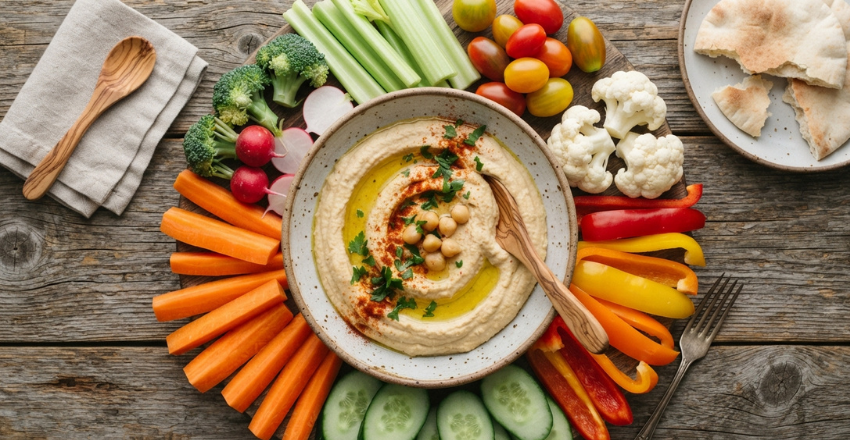
Serve hummus with carrots, cucumbers, peppers, snap peas, or a small whole-grain pita. Chickpeas and tahini contribute protein, fiber, and fat. Hummus alone may not provide as much protein as yogurt, tuna, or eggs. Use a generous but reasonable portion or add roasted edamame for more protein.
12. Overnight Oats with Greek Yogurt
Combine oats, Greek yogurt, milk, and fruit in a jar. Refrigerate the mixture overnight and eat it cold the next day. This snack takes more planning but little active work. It also gives you whole grains and can be adjusted for a larger appetite.
13. Nuts, Seeds, and Dry-Roasted Edamame
Create a small mix with almonds, pumpkin seeds, pistachios, and dry-roasted edamame. The edamame raises the protein content beyond a standard nut mix. Choose unsweetened dried fruit when you want added sweetness. Portion the mix into small containers because nuts and seeds pack substantial energy into a small volume.
14. Leftover Chicken Snack Box
Place sliced leftover chicken in a container with cherry tomatoes, whole-grain crackers, and fruit. This turns a small amount of dinner into a ready-made snack. Keep cooked poultry cold and follow safe refrigeration practices. A chilled lunch bag is useful when the snack sits away from the refrigerator.
15. Chia Pudding with Yogurt
Mix the chia seeds with milk and refrigerate the mixture until it thickens. Add Greek yogurt before serving to increase its protein content. Top it with berries, cocoa, cinnamon, or chopped nuts. Chia pudding is easy to prepare in several jars for the week.
How to Choose the Right Snack?
Start with your situation rather than search for one perfect food. For light hunger, try yogurt, one egg with fruit, or a cheese stick. For stronger hunger, choose a snack with more volume, such as cottage cheese with produce or a chicken snack box.
Before exercising, many people prefer a combination of protein and carbohydrates. High protein snacks like Greek yogurt with fruit or a small smoothie may feel more practical than a heavy snack. After exercising, a regular meal may be enough when you plan to eat soon.
Still, healthy high protein snacks can also be a convenient option if a full meal is not immediately available. For work or travel, prioritize food safety and convenience. Nuts, roasted chickpeas, tuna pouches, and dry-roasted edamame are easier to carry. Dairy, eggs, meat, and prepared smoothies require suitable cold storage.
A Simple Snack-Building Formula

Use this three-part formula when you’re tired of repeating the same foods:
- Pick protein: yogurt, cottage cheese, eggs, tuna, chicken, tofu, edamame, hummus, or nuts.
- Add produce: berries, apples, grapes, cucumbers, tomatoes, carrots, or peppers.
- Add texture or energy when needed: whole-grain crackers, oats, seeds, or a small pita.
For example, combine cottage cheese, sliced peaches, and pumpkin seeds. Another option is turkey, cucumber, and whole-grain crackers. This approach creates dozens of combinations without requiring a complicated recipe.
What to Check on Packaged Snacks?
Protein bars, shakes, and snack products can be convenient, but their formulas vary. Some bars contain substantial added sugar or ingredients that may not suit everyone. Read the complete label and compare:
- Protein per serving
- Added sugar
- Sodium
- Fiber
- Serving size
- Allergens
- Ingredients you tolerate well
A product doesn’t need the highest protein number on the shelf. It needs to fit your diet, taste good, and satisfy you until your next planned meal.
Make Your Next Snack Easier
Choose two refrigerated options and two shelf-stable healthy high protein snacks from this list. Keep the ingredients on hand and prepare anything that takes extra time before the week gets busy, making it easier to enjoy high-protein snacks whenever hunger strikes. Healthy eating becomes easier when your next choice is already within reach.
Apart from that, if you want to know about the article “Smoothies for Diabetics,” please visit our Nutrition Category.
Frequently Asked Questions (FAQs)
Greek yogurt, cottage cheese, hard-boiled eggs, tuna pouches, turkey roll-ups, and steamed edamame require little preparation. Nuts, seeds, and roasted legumes are useful when refrigeration isn’t available.
There’s no universal requirement for each snack. Around 10 to 20 grams can be practical for many adults, but smaller amounts may work well within a balanced day. Individual needs vary, so medical or dietary conditions should be discussed with a qualified professional.
They can be part of a weight-management plan, but no snack causes weight loss by itself. Total food intake, serving sizes, dietary quality, movement, sleep, medications, and health conditions all matter.
Try edamame, roasted chickpeas, tofu cubes, hummus, soy yogurt, nut butter, nuts, seeds, or a smoothie made with fortified soy milk.
Some are useful for convenience, while others resemble sweet snack bars. Compare the protein, added sugar, fiber, sodium, serving size, and ingredient list before choosing one.