
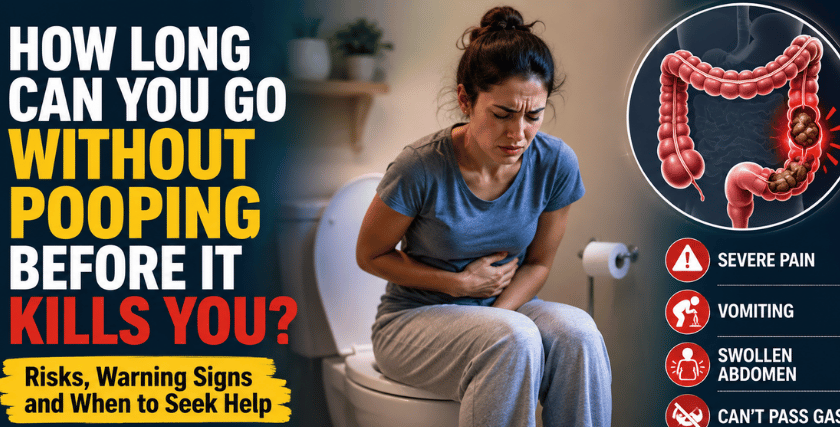
Going several days without a bowel movement can feel alarming, but there is no fixed number of days when constipation becomes fatal. The danger depends more on your symptoms, health, medications, and whether stool or gas can still pass.
If you’re asking, “How long can you go without pooping before it kills you?” focus on warning signs rather than a deadline. Severe pain, vomiting, a swollen abdomen, or an inability to pass gas can signal an intestinal blockage. That requires urgent medical care. There is more on this in Pictures of Shingles.
| How Long Can You Go Without Pooping Before It Kills You | Practical answer |
| Is there a fatal number of days? | No. Risk depends on symptoms and the underlying cause. |
| What counts as constipation? | Often fewer than three bowel movements per week, hard stool, straining, or incomplete emptying. |
| When should you call a clinician? | When symptoms persist, repeatedly return, or differ sharply from your normal pattern. |
| When is it an emergency? | Severe pain, vomiting, abdominal swelling, bleeding, fever, confusion, or inability to pass gas. |
| What can severe constipation cause? | Fecal impaction, bowel obstruction, ulcers, perforation, infection, or sepsis. |
Constipation is commonly defined as having fewer than three bowel movements per week. It may also involve dry or hard stool, painful straining, or the feeling that you haven’t emptied your bowel completely.
How Long Can You Go Without Pooping Before It Kills You?
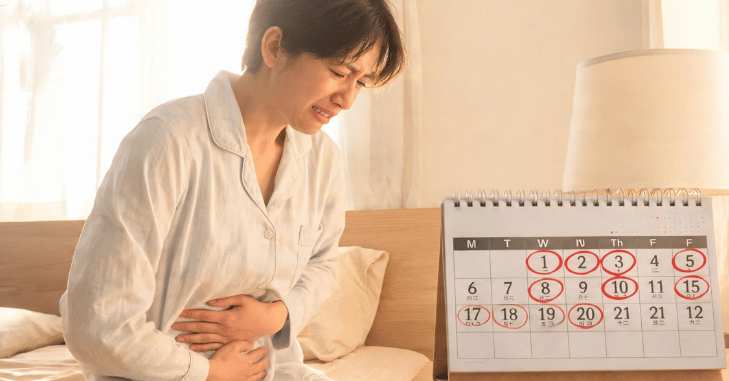
There is no medically reliable countdown. Some people naturally have bowel movements more than once a day. Others may go only a few times per week while feeling well. Frequency alone doesn’t reveal whether you’re in immediate danger.
What matters is whether the delay is accompanied by:
- Increasing or severe abdominal pain
- A hard, swollen, or tender abdomen
- Vomiting
- Inability to eat or drink
- Inability to pass gas
- Blood from the rectum or in the stool
- Fever, weakness, faintness, or confusion
- Watery leakage around a mass of hard stool
A person who hasn’t had a bowel movement for several days but can pass gas, eat normally, and has little discomfort may not face the same risk as someone with one day of constipation plus vomiting and intense pain. Do not wait for a specific number of days when emergency symptoms are present.
What happens when stool remains in your colon?
Your colon absorbs water from its contents. The longer the stool remains there, the harder and drier it can become. This may make the next bowel movement painful and difficult.
A cycle can then develop:
- The stool becomes hard.
- Passing it hurts.
- You delay going to the bathroom.
- More water is absorbed.
- The stool becomes harder and more difficult to move.
In severe cases, a large mass of dry stool can become lodged in the rectum or colon. This is called fecal impaction. It is often associated with ongoing constipation and may require medical treatment rather than ordinary home remedies. Liquid stool may sometimes leak around an impaction. Because of this, sudden watery leakage does not always mean the constipation has resolved.
Can constipation cause death?
Ordinary constipation rarely causes death. Untreated complications can, in unusual cases, become life-threatening.
Fecal impaction
An impaction is a hardened mass that you cannot pass normally. It can cause rectal pressure, pain, appetite changes, nausea, urinary problems, and leakage of liquid stool. Older adults, people with limited mobility, people with neurological conditions, and those taking certain medications may face a greater risk.
Bowel obstruction
An obstruction prevents food, fluid, stool, or gas from moving normally through the intestines.
Possible symptoms include:
- Cramping abdominal pain
- Vomiting
- Constipation
- Loss of appetite
- Abdominal swelling
- Inability to have a bowel movement or pass gas
A complete intestinal blockage can become life-threatening and requires immediate evaluation.
Stercoral colitis
Severe fecal impaction can place intense pressure on the colon wall. This may reduce blood flow, cause inflammation and ulcers, or damage the tissue. Stercoral colitis is a serious complication. It can lead to bowel perforation and widespread infection or sepsis.
Bowel perforation
Perforation is a hole in the gastrointestinal tract. It can allow stool, bacteria, or digestive contents to leak into the abdomen. This is an emergency because it can cause peritonitis, sepsis, shock, and death without prompt treatment.
When constipation is an emergency
Go to an emergency department now when constipation occurs with severe or worsening abdominal pain, repeated vomiting, major abdominal swelling, or an inability to pass gas. These symptoms can point to an obstruction rather than uncomplicated constipation. Medical sources also advise urgent evaluation for serious rectal bleeding, fainting, confusion, or signs of shock.
You should be especially cautious when symptoms develop after:
- Abdominal or pelvic surgery
- A known hernia
- A previous bowel obstruction
- Colon or abdominal disease
- Starting an opioid pain medication
- A sudden change in normal bowel habits
- Prolonged immobility
- Significant dehydration
Do not take repeated doses of laxatives if you have a blockage. Adding fiber or stimulating intestinal contractions may be unsafe in some obstruction cases. Seek medical guidance instead.
When to contact a healthcare professional?

Contact a clinician when constipation doesn’t improve with reasonable self-care, keeps returning, or represents a persistent change from your usual habits. Cleveland Clinic recommends contacting a provider for constipation lasting longer than three weeks. Earlier evaluation is appropriate when you have severe pain, blood in the stool, unexplained weight loss, medication-related symptoms, or another concerning change.
You may also need earlier advice if you:
- Are pregnant
- Are you an older adult
- Have inflammatory bowel disease
- Have a neurological condition
- Recently had surgery
- Take opioids, iron, or other constipating medications
- Have a history of impaction
- Are you caring for a child with persistent symptoms
What you can try when there are no emergency symptoms
Mild constipation often responds to gradual changes in fluids, food, activity, and bathroom habits. NIDDK lists dietary changes, adequate fluids, regular physical activity, bowel training, and medication review among common approaches.
1. Drink adequate fluids
Dehydration can make stools harder. Sip water regularly unless a healthcare professional has restricted your fluid intake because of a kidney, heart, or other medical condition.
2. Increase fiber gradually
Fiber adds bulk and can help stool retain water. Common sources include beans, vegetables, fruit, oats, and whole grains. Increase it gradually. A sudden large increase may worsen gas and bloating. Do not load up on fiber when you have severe pain, are vomiting, or cannot pass gas.
3. Move your body
Walking and other gentle activities may support normal intestinal movement. Choose movements that is safe for your current health and mobility.
4. Respond to the urge
Delaying a bowel movement gives the colon more time to absorb water. Try sitting on the toilet at a regular time, often after breakfast or another meal.
A small footstool may help place your knees above your hips, making the position more comfortable.
5. Ask about a suitable laxative
Different products work differently. Osmotic laxatives, stool softeners, fiber products, and stimulant laxatives are not interchangeable. A pharmacist or clinician can help you choose an option based on your age, medications, symptoms, pregnancy status, and medical history. Avoid long or repeated use without advice.
Common causes of constipation
Constipation does not always come from a lack of fiber. Possible contributors include:
- Low fluid intake
- Reduced physical activity
- Travel or routine changes
- Ignoring the urge to go
- Pregnancy
- Opioid pain medicines
- Iron supplements
- Some antacids and antidepressants
- Pelvic-floor problems
- Irritable bowel syndrome
- Diabetes or thyroid disorders
- Neurological disease
- Intestinal narrowing or obstruction
A clinician may ask how often you go, how long the change has lasted, what the stool looks like, which medicines you take, and whether you have bleeding, swelling, or pain.
A safer way to judge your risk
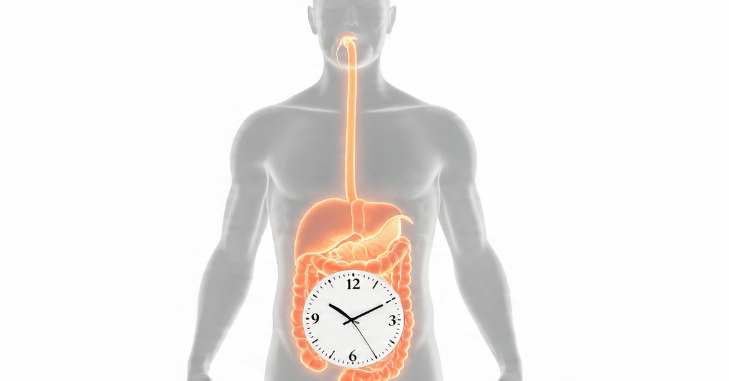
Instead of counting days alone, use this three-level guide.
| Situation | Suggested action |
| Mild change, still passing gas, little discomfort | Try gentle self-care and monitor your symptoms. |
| Persistent symptoms, painful stools, repeated episodes | Contact a clinician or pharmacist for advice. |
| Severe pain, vomiting, swelling, bleeding, fever, or no gas | Seek urgent or emergency medical care. |
Your usual pattern matters. A sudden and unexplained change may deserve attention even when it doesn’t meet a textbook’s definition of constipation.
For more general wellness information, visit HealthySpire.
Conclusion
If you’re asking, “How long can you go without pooping before it kills you?” The most important thing to understand is that there is no specific number of days that automatically becomes life-threatening. The real risk depends on the underlying cause and whether serious complications such as fecal impaction, bowel obstruction, perforation, or infection develop. Most cases of constipation improve with proper hydration, fiber, physical activity, and appropriate medical guidance.
However, if how long you can go without pooping before it kills you becomes a concern because you’re experiencing severe abdominal pain, persistent vomiting, a swollen abdomen, rectal bleeding, fever, or an inability to pass gas, seek emergency medical care immediately.
Apart from that, if you want to know about the article My Head Feels Heavy and Pressured but Not Pain please visit our Health Category.
Frequently asked questions
There is no set number of days. Serious harm results from complications such as obstruction, impaction, perforation, or infection, not from crossing a universal deadline. Your symptoms are more important than the calendar.
It may be constipation, but the risk depends on how you feel. Contact a medical professional when this is unusual for you or home measures aren’t working. Seek urgent care for severe pain, vomiting, swelling, bleeding, or inability to pass gas.
A week is long enough to justify medical advice, especially when it differs from your normal pattern. It becomes an emergency when accompanied by obstruction symptoms, serious pain, vomiting, bleeding, or marked abdominal swelling.
Sometimes. A partial obstruction or rectal impaction may still allow some gas or liquid stool to pass. Passing gas is reassuring, but it does not rule out every serious condition.
No. Follow the product directions and seek advice when treatment isn’t working. Do not keep escalating laxatives when you have severe abdominal pain, vomiting, swelling, or an inability to pass gas.
Yes. More severe constipation may cause bloating, cramps, reduced appetite, nausea, rectal discomfort, or a feeling of incomplete emptying. Vomiting or intense pain requires more urgent assessment.
The bottom line
Most cases of constipation are uncomfortable rather than deadly. There is no exact day when failing to have a bowel movement becomes fatal. Pay attention to the whole picture. Severe pain, vomiting, a swollen abdomen, rectal bleeding, or inability to pass gas are reasons to get urgent medical help. Persistent or recurring constipation should be discussed with a healthcare professional rather than managed indefinitely at home.