
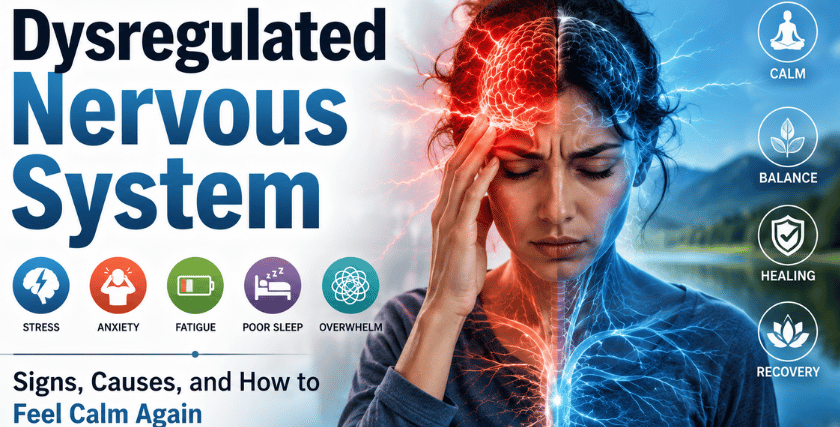
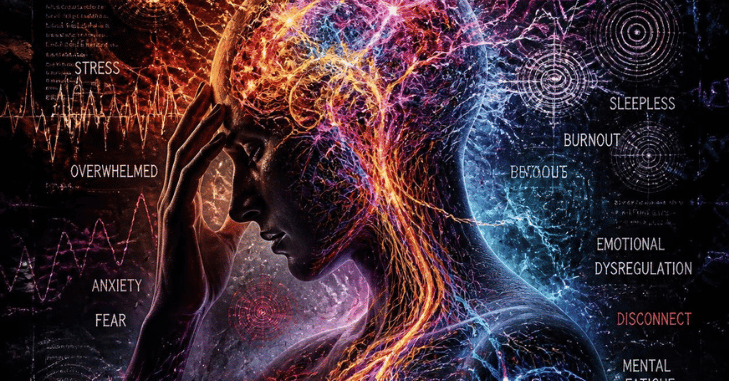
A dysregulated nervous system is an informal way to describe a stress-response system that has trouble returning to a settled state. You may feel tense and alert long after a stressful event ends. At other times, you may feel numb, exhausted, or disconnected. More from us: Burst Blood Veins.
The phrase isn’t a stand-alone medical diagnosis. Its symptoms can overlap with anxiety, trauma responses, sleep problems, medication effects, hormonal conditions, heart problems, and other health concerns. A healthcare professional can help identify the cause when symptoms are persistent, severe, or new.
| dysregulated nervous system | Practical answer |
| What does the term mean? | Difficulty shifting smoothly between stress, activity, rest, and recovery |
| Is it a diagnosis? | No. It is a broad, non-specific description |
| What can it feel like? | Anxiety, irritability, shutdown, fatigue, poor sleep, tension, or sensory overload |
| What may contribute? | Chronic stress, trauma, illness, pain, sleep loss, stimulants, or mental health conditions |
| What may help? | Breathing, movement, sleep routines, grounding, social support, and appropriate care |
| When should you seek help? | When symptoms persist, worsen, affect daily life, or include concerning physical signs |
What does nervous system dysregulation mean?
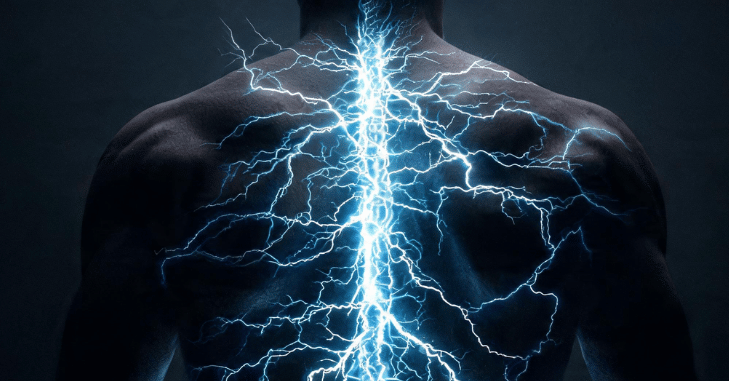
Your autonomic system manages many processes that happen without conscious effort. These include heart rate, breathing, digestion, sweating, blood pressure, and temperature control. Its sympathetic branch prepares you to respond to a threat. This is often called the fight-or-flight response. The parasympathetic branch supports rest, digestion, and recovery. Both are necessary, and a healthy body moves between them as circumstances change.
Problems may arise when the stress response activates too often, remains active after danger has passed, or shifts into a low-energy shutdown pattern. The result can affect thoughts, emotions, physical sensations, and behavior.
The term should be used carefully. Similar symptoms may occur with dysautonomia, thyroid disorders, anemia, medication reactions, sleep disorders, panic disorder, depression, or heart conditions. Feeling “dysregulated” doesn’t reveal the underlying cause.
9 signs of a dysregulated nervous system
No single symptom proves that your stress-response system is out of balance. A pattern across several areas may suggest that your body is having difficulty settling after stress.
1. You feel alert when you’re safe
You may notice a racing mind, clenched jaw, tense shoulders, rapid breathing, or a strong urge to monitor your surroundings. Quiet situations may feel uncomfortable rather than restful.
2. Small problems trigger large reactions
A delayed message, unexpected noise, crowded room, or change of plans may produce intense irritation or fear. Your reaction may feel much larger than the event itself.
3. You’re tired but unable to relax
Some people describe this as feeling “wired and tired.” Your body feels depleted, yet sleep, stillness, or downtime remains difficult.
4. Your sleep is disrupted
Stress may make it harder to fall asleep, stay asleep, or wake feeling restored. Poor sleep can then reduce your ability to handle stress the following day, creating a repeating cycle. Sleep disturbance is commonly reported alongside heightened stress reactivity.
5. You experience digestive changes
The autonomic system helps regulate digestion. Stress can coincide with nausea, appetite changes, stomach discomfort, diarrhea, or constipation. These symptoms also have many medical causes, so recurring digestive problems deserve proper assessment.
6. You become sensitive to stimulation
Bright lights, loud sounds, strong smells, crowded spaces, or constant notifications may become difficult to tolerate. You might need more quiet time than usual after a demanding day.
7. You struggle to think clearly
Stress can make concentration, memory, planning, and decision-making feel harder. You may lose your train of thought or struggle to complete simple tasks when overwhelmed.
8. You shut down or disconnect
Dysregulation doesn’t always look like panic. It may involve emotional numbness, low motivation, withdrawal, heavy fatigue, or a sense of being detached from yourself.
9. You rely on stimulation or distraction
Constant scrolling, overworking, caffeine, emotional eating, alcohol, or nonstop entertainment may become ways to avoid uncomfortable sensations. These habits can offer short relief without addressing the source of distress.
What can cause a dysregulated nervous system?

Several factors can affect how strongly and how often your body enters a stress state. Chronic stress is a common contributor. Work pressure, financial problems, caregiving, conflict, discrimination, uncertainty, or ongoing illness can keep the body prepared for threats.
Traumatic experiences may also change how someone responds to reminders of danger. Trauma-related symptoms can include hypervigilance, avoidance, emotional numbing, irritability, and sleep problems. Support should be tailored to the person rather than reduced to a single wellness technique.
Other possible contributors include:
- Chronic pain or physical illness
- Poor or irregular sleep
- Anxiety, depression, or panic symptoms
- Sensory overload
- Heavy caffeine or stimulant use
- Major hormonal changes
- Limited social support
- Persistent conflict or an unsafe environment
Because these factors often overlap, the goal isn’t to blame one cause. It is to identify patterns and choose support that fits your situation.
How to calm your body’s stress response
Self-care won’t fix every cause. Still, simple practices may help your body move toward a calmer state.
1. Slow your breathing without forcing it
Try breathing gently through your nose. Let the exhale last slightly longer than the inhale. For example, inhale four comfortable counts and exhale for six. Continue for one or two minutes. Stop if you become dizzy, panicky, or uncomfortable.
Research suggests that structured breathing practices may support parasympathetic activity and reduce stress or anxiety symptoms. Relaxation methods are usually safe, but they can occasionally increase distress, especially for people with certain trauma histories or psychiatric conditions.
2. Orient yourself to the present
Look around slowly and name the following:
- Five things you can see
- Four physical sensations you can feel
- Three sounds you can hear
- Two scents you notice
- One taste or comforting thought
This exercise redirects attention toward your present surroundings. It may be more useful than telling yourself to “calm down.”
3. Choose gentle, predictable movement
A short walk, easy stretching, light cycling, or calm yoga may help release physical tension. The best activity is one that feels manageable rather than punishing.
Healthyspire’s fitness section can support future articles about gentle exercise, mobility, and sustainable activity.
4. Reduce avoidable stimulation
Silence nonessential notifications. Step away from distressing news or social media for a set period. Lower harsh lighting, use ear protection in noisy settings, or complete one task at a time. The aim isn’t to avoid every challenge. It is to give your body regular periods without competing demands.
5. Stabilize sleep and daily routines
Choose a wake time you can maintain most days. Create a short evening routine, dim screens before bed, and keep late caffeine from disrupting sleep. Predictability can reduce the number of decisions your brain must make when you’re tired. It also helps you notice which habits improve or worsen your symptoms.
6. Eat and hydrate consistently
Long gaps between meals, dehydration, or excess caffeine may cause sensations that resemble anxiety, including shakiness, headaches, or a rapid heartbeat.
Regular meals don’t need to be complicated. Aim for a practical mix of protein, carbohydrates, fats, and fiber. Explore Healthyspire’s nutrition guidance for broader information on balanced eating.
7. Seek safe connections.
A calm conversation with someone you trust may make distress feel more manageable. You don’t need to explain everything. Asking a friend to sit with you, take a walk, or help with one task can be enough. A therapist may help when stress relates to trauma, panic, grief, relationships, or long-standing coping patterns. Treatment should reflect your symptoms and preferences. You might also like Strangulated Hernia.
A simple five-minute reset
Use this short routine when you notice early signs of overwhelm:
- Place both feet on the floor.
- Look around and identify three neutral objects.
- Relax your jaw and lower your shoulders.
- Take five gentle breaths with longer exhales.
- Choose one small next action, such as drinking water or stepping outside.
This routine isn’t meant to “heal” the body in five minutes. It creates a pause between the trigger and your next response.
Track what happens before and after each episode. Note the setting, sensations, thoughts, sleep, caffeine intake, and what helped. Patterns may become clearer after one or two weeks.
When should you see a healthcare professional?
Arrange a medical or mental health appointment when symptoms
- Continue for several weeks
- Interfere with work, school, sleep, or relationships
- Causes frequent panic or avoidance
- Begin after a medication change
- Include fainting, repeated palpitations, or major digestive changes
- Occur alongside depression, trauma symptoms, or substance use
- Don’t improve with basic stress-management steps
A clinician may review your medical history, medications, sleep, mental health, and physical symptoms. They may also check for conditions that can imitate stress or anxiety.
Seek urgent medical help for new or severe chest pressure, pain spreading to the arm, jaw, neck, back, or stomach, severe breathing difficulty, fainting, or chest symptoms with sweating, nausea, or light-headedness. Don’t assume these symptoms are caused by anxiety.
Conclusion
A dysregulated nervous system can affect your mood, sleep, energy, digestion, and ability to cope with everyday stress, but it does not automatically point to a specific medical condition. In many cases, consistent habits such as improving sleep, practicing slow breathing, staying physically active, eating regular meals, and reducing unnecessary stressors can help your body return to a calmer, more balanced state over time.
If symptoms of a dysregulated nervous system continue for several weeks, interfere with work or relationships, or occur alongside chest pain, fainting, severe breathing problems, or other concerning physical symptoms, seek medical attention promptly. A healthcare professional can identify any underlying condition and recommend the most appropriate treatment, so you can safely improve your overall well-being.
Apart from that, if you want to know about the article Tea for Upset Stomach please visit our Health Category.
Frequently asked questions
Stress responses can become less intense and easier to manage. Progress often comes from repeated, realistic habits and appropriate treatment rather than a single “reset.” The right approach depends on what is causing your symptoms.
There is no standard timeline. A brief period of work stress may improve after rest and routine changes. Trauma, chronic illness, or persistent anxiety may require longer-term professional support.
No. The two can overlap, but they aren’t interchangeable. Anxiety is a symptom and can also be part of a diagnosed disorder. The broader term may include high-alert reactions, shutdown, sensory changes, sleep problems, and physical symptoms.
They can for some people. Breath-holding, deep inhalations, or intense focus on physical sensations may increase discomfort. Try gentle breathing without forcing it, keep your eyes open, or use an external grounding exercise instead.
Start with the least demanding action: put your feet on the floor, look around the room, loosen tense muscles, and extend your exhale slightly. A brief walk or contact with a trusted person may also help.