


Learning how to lean bulk comes down to balancing three things: a modest calorie surplus, progressive resistance training, and regular progress checks. Eat slightly more energy than you use, get enough protein, train each major muscle group consistently, and adjust your calories based on your average weekly weight.
Lean bulk won’t prevent all fat gain. Building muscles while gaining no fat at all is rarely a realistic goal. The aim is to gain weight slowly enough that more of your progress supports muscle growth rather than unnecessary fat storage.
| Lean-bulking factor | Practical starting target |
| Calorie intake | About 5–10% above maintenance |
| Protein | Roughly 1.6–2.2 grams per kilogram daily |
| Weight-gain rate | About 0.25–0.5% of body weight weekly |
| Resistance training | Train major muscle groups at least twice weekly |
| Progress review | Use 2–4 weeks of weight and training data |
| Main goal | Build muscle while limiting excess fat gain |
Current guidance supports a conservative approach. The International Society of Sports Nutrition identifies about 1.4–2.0 grams of protein per kilogram as sufficient for most exercising people, with 1.6–2.2 grams commonly used during muscle-building phases. Updated American College of Sports Medicine guidance also stresses consistent resistance training over complicated routines.
What Is a Lean Bulk?

A lean bulk is a planned muscle-building phase in which you eat a controlled calorie surplus and follow a structured resistance-training program. The term “lean” describes the method, not a guarantee that every pound gained will be muscle.
A smaller surplus usually makes it easier to control fat gain than an aggressive bulk. Current guides commonly recommend starting around 5–15% above maintenance rather than adding a large number of calories without tracking the outcome.
A lean bulk differs from a so-called dirty bulk in several ways:
| Lean bulk | Aggressive or dirty bulk |
| Small, monitored surplus | Large or untracked surplus |
| Slow weight gain | Rapid weight gain |
| Mostly nutrient-dense meals | Food quality may receive less attention |
| Frequent adjustments | Calories may remain high despite fat gain |
| Easier transition into fat loss | May require a longer cutting phase |
You don’t need to eat only “clean” foods. You do need a repeatable diet that provides protein, carbohydrates, dietary fat, fiber, and enough total calories.
How to Lean Bulk in 7 Steps

1. Estimate Your Maintenance Calories
Your maintenance intake is the approximate number of calories that keeps your average weight stable. A calorie calculator can provide a starting estimate. Another option is to track your normal food intake and morning weight for 10–14 days.
If your average weight stays stable, your average calorie intake is probably close to maintenance. Don’t treat the first estimate as a fixed biological number. Daily movement, training volume, sleep, appetite, and tracking errors can all affect the result.
2. Add a Small Calorie Surplus
Begin by adding about 5–10% to your estimated maintenance intake. For many people, that may equal roughly 150–300 extra calories per day. For example, someone maintaining their weight at 2,500 calories could begin near 2,650–2,750 calories. A larger athlete or someone with high activity levels may need more.
Starting small has two advantages. It limits unnecessary fat gain and gives you room to add calories later. Research-based guides often recommend conservative surpluses because larger increases tend to add more body fat without producing proportional muscle growth. Stay at your starting intake for at least two weeks before making a change, unless your weight rises unusually fast.
3. Set a Daily Protein Target
Protein supplies amino acids used to repair and build muscle tissue. A useful target for most healthy adults who lift weights is 1.6–2.2 grams per kilogram of body weight per day.
That equals:
- 96–132 grams for a 60-kilogram person
- 128–176 grams for an 80-kilogram person
- 160–220 grams for a 100-kilogram person
You don’t need to consume the maximum amount to make progress. Choose a target you can meet consistently without crowding carbohydrates, fats, fruits, and vegetables out of your diet. Spread protein across three to five meals when practical. The ISSN notes that meals containing roughly 20–40 grams of high-quality protein can support muscle protein synthesis, although the appropriate serving depends on body size, age, and total daily intake.
Useful protein foods include:
- Eggs and dairy products
- Chicken, turkey, fish, and lean meat
- Tofu, tempeh, lentils, and beans
- Greek yogurt and cottage cheese
- Whey, soy, pea, or blended protein powder
A supplement is optional. It offers convenience but doesn’t replace a balanced diet.
4. Use Carbohydrates to Support Training
After setting protein and dietary fat, use carbohydrates to fill most of your remaining calories. Carbohydrates help fuel demanding lifting sessions and restore muscle glycogen. Good options include rice, oats, potatoes, pasta, bread, fruit, beans, and whole grains.
Place a carbohydrate-rich meal before training when it feels comfortable. Another meal containing carbohydrates and protein after exercise can support recovery. Exact meal timing matters less than meeting your daily needs consistently.
Healthyspire’s nutrition section is a natural place to connect this article with future guides on meal planning, protein-rich foods, and balanced diets. The category currently resolves correctly but does not yet contain competing articles.
5. Follow a Progressive Resistance-Training Plan
Extra calories won’t direct themselves toward muscle. Your training provides the stimulus that tells your body to adapt.
Build your program around movement patterns such as the following:
- Squats or leg presses
- Hip hinges or Romanian deadlifts
- Horizontal presses
- Vertical presses
- Rows
- Pulldowns or pull-ups
- Single-leg movements
- Optional isolation exercises
Track your sets, repetitions, and loads. Try to improve one variable over time without sacrificing technique. You might perform one more repetition, add a small amount of weight, improve your range of motion, or complete another productive set.
Updated ACSM guidance says training all major muscle groups at least twice per week matters more than following a needlessly complex plan. For hypertrophy, it highlights higher weekly volume, with about 10 sets per muscle group as a useful general reference rather than a rigid requirement.
Beginners may progress with three full-body sessions each week. Experienced lifters may prefer an upper-lower or push-pull-legs structure.
6. Track Average Weight and Gym Performance
Daily scale readings fluctuate because of hydration, sodium, carbohydrates, digestion, and menstrual-cycle changes. Avoid reacting to one measurement.
Instead:
- Weigh yourself under similar conditions several mornings each week.
- Calculate your weekly average.
- Compare that average with previous weeks.
- Review waist measurements and gym performance.
- Adjust calories only after identifying a clear trend.
A practical target is about 0.25–0.5% of body weight per week. For an 80-kilogram person, that equals about 0.2–0.4 kilograms weekly. This range is a guide, not a guarantee. New lifters and experienced lifters won’t gain muscle at the same rate.
If your average weight doesn’t increase for two or three weeks, add about 100–150 daily calories. If your waist grows quickly while strength barely changes, reduce your intake by a similar amount. This feedback loop is one of the most useful parts of learning how to lean bulk. Your real-world trend matters more than a calculator’s first estimate.
7. Protect Your Sleep and Recovery
Muscle growth occurs between training sessions, not during the lifting set itself. Aim for a sleep schedule that lets you wake feeling rested. Many adults function best with seven to nine hours, although individual needs vary. Plan easier days and avoid adding hard sets when your performance, joints, motivation, and sleep are worsening. More work isn’t automatically better work.
Cardio can remain in your routine. Two or three moderate sessions can support fitness and heart health without interfering with muscle gain for most people. Keep the volume manageable and account for the energy you burn. For broader advice on recovery and informed lifestyle decisions, direct readers to Healthyspire’s general health resources.
A Simple Lean-Bulk Meal Example
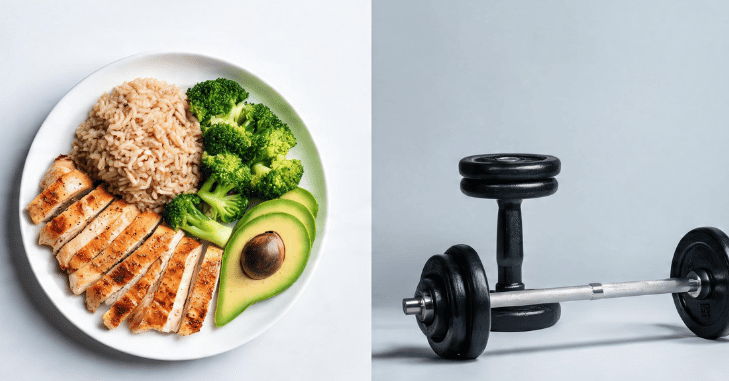
The following example shows how a day might be structured. Portions should match your calorie and protein targets.
| Meal | Example |
| Breakfast | Oats, Greek yogurt, berries, and eggs |
| Lunch | Chicken, rice, vegetables, and olive oil |
| Pre-workout snack | Banana and yogurt or a protein shake |
| Dinner | Salmon, potatoes, and mixed vegetables |
| Evening snack | Cottage cheese, fruit, and nuts |
Nutrient-dense foods should form the base of your diet, but you don’t need perfect meals. A flexible approach is easier to maintain than a list of forbidden foods.
Common Lean-Bulking Mistakes
Increasing Calories Too Quickly
A large surplus often makes the scale move faster, but faster weight gain doesn’t mean faster muscle growth.
Changing the Plan Every Week
Body weight is noisy. Give your plan enough time before adjusting it.
Tracking Calories but Not Training
Food supports muscle gain, while progressive resistance training creates the main growth stimulus.
Ignoring Digestive Comfort
Suddenly adding large meals may cause bloating or poor appetite. Increase calories gradually and use easy additions such as rice, olive oil, yogurt, smoothies, or nut butter.
Treating Supplements as the Foundation
Protein powder can help you meet your target. Creatine may support strength and training performance. Neither compensates for inconsistent lifting, insufficient food, or poor sleep.
Bulking Despite Health Concerns
People with diabetes, kidney disease, digestive conditions, eating-disorder histories, or other medical concerns should seek individualized guidance before changing calorie or protein intake. Healthyspire provides general educational information rather than personal medical advice, consistent with its editorial policy.
When Should You Stop a Lean Bulk?
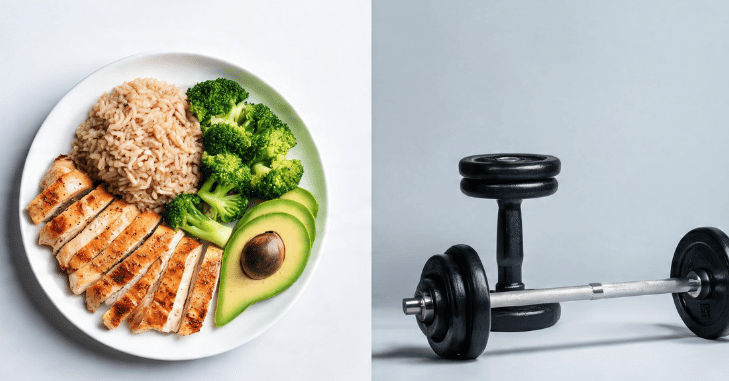
There’s no universal duration.
Consider ending or pausing the phase when:
- Your waist is rising much faster than your strength
- You no longer feel comfortable with the added body fat
- Your appetite or digestion has become difficult to manage
- Training quality has stalled for several weeks
- A sport, medical issue, or personal event changes your goal
Conclusion
Learning how to lean bulk is about making consistent, controlled progress rather than gaining weight as quickly as possible. By maintaining a modest calorie surplus, eating enough protein, following a progressive resistance-training program, and tracking your weekly progress, you can maximize muscle growth while keeping excess fat gain under control.
Remember that results take time, and regular adjustments based on your body’s response are far more effective than drastic changes. If you want lasting, high-quality muscle gains, how to lean bulk successfully comes down to patience, smart nutrition, structured training, and consistent recovery habits.
Apart from that, if you want to know about articles, Does Sweating Burn Calories then please visit our Fitness Category.
Frequently Asked Questions
You can’t guarantee zero fat gain, but you can limit it. Start with a small surplus, aim for slow weekly weight gain, train progressively, and adjust calories based on two to four weeks of trend data.
Some beginners can gain muscle at maintenance calories or during a modest deficit, especially when they have higher body-fat levels or are returning after a break. A small surplus becomes more useful when progress slows.
No. Calorie tracking is one method. You can also use consistent meals, repeatable portions, weekly weight averages, and small serving adjustments.
Most muscle-building phases last several months. The exact duration depends on your experience, starting body composition, rate of gain, training quality, and goals.
Yes. Moderate cardio can support cardiovascular fitness, work capacity, and general health. Keep it low enough that you can recover from your strength sessions.
The Next Step
Start with maintenance calories, add a small surplus, choose a realistic protein target, and follow one resistance-training plan for several weeks.
Record your weekly average weight, waist measurement, and performance on key lifts. Adjust one variable at a time. This measured process may feel slower than an aggressive bulk, but it gives you more control over the type of weight you gain.