
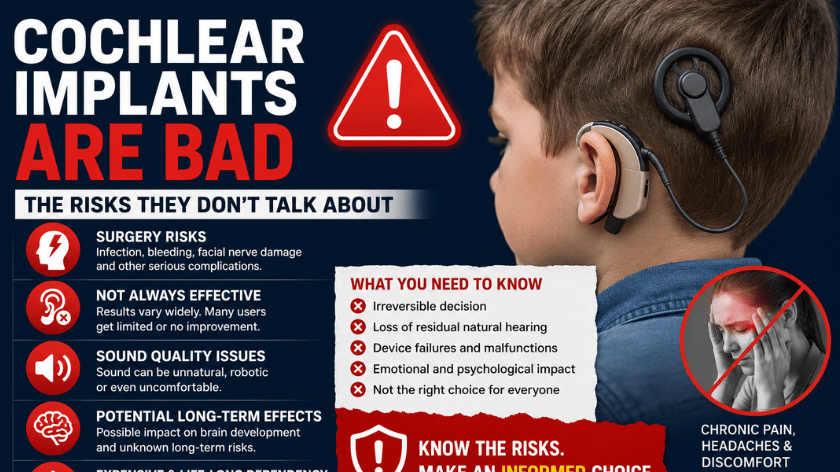
Searching for why cochlear implants are bad can produce alarming claims. The reality is more balanced. These devices can improve access to sound and speech for many people, but they involve surgery, uncertain outcomes, ongoing rehabilitation, maintenance costs, and personal or cultural concerns. Also worth reading: Retatrutide vs Ozempic.
They don’t restore natural hearing or “cure” deafness. A good decision requires realistic expectations, medical advice, and respect for the individual’s communication needs and identity.
Direct answer: Cochlear implants may be a poor choice when surgical risks, loss of residual hearing, uncertain speech results, demanding rehabilitation, device dependence, or cultural concerns outweigh the expected benefit. They aren’t universally bad, but they also aren’t a guaranteed way to create normal hearing.
| Concern | What it may mean |
| Surgery | Infection, dizziness, nerve injury, anesthesia risks, or other complications |
| Remaining hearing | Natural hearing in the implanted ear may decline or be lost. |
| Sound quality | Sound can initially seem artificial, mechanical, or unclear. |
| Results | Speech understanding varies and can’t be predicted with certainty. |
| Rehabilitation | Mapping, listening practice, and professional support may continue for months or years. |
| Device dependence | The user relies on batteries, processors, replacement parts, and technical support. |
| Identity and language | Some Deaf people view implantation pressure as dismissive of sign language and Deaf culture. |
What a Cochlear Implant Does—and Doesn’t Do

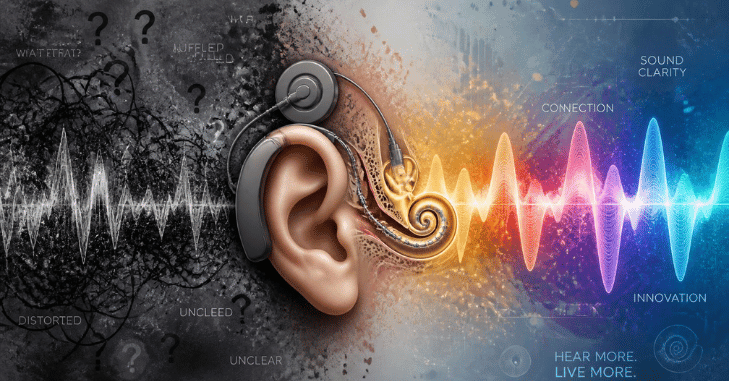
Why cochlear implants are bad: hearing aids make sounds louder. An implant works differently. It bypasses damaged structures in the inner ear and sends electrical signals to the auditory nerve. The brain must learn to interpret those signals. The device doesn’t reproduce natural hearing, and it doesn’t work equally well for everyone.
According to the U.S. Food and Drug Administration, results range from near-normal speech understanding to no useful hearing benefit. There is no preoperative test that can predict exactly how well a person will understand language afterward. This uncertainty is one reason the procedure should be described as an option rather than a cure.
Why Are Cochlear Implants Bad for Some Candidates?
The main disadvantages fall into seven areas. Their importance depends on the person’s health, hearing history, age, goals, support system, and preferred way of communicating.
1. Surgery Has Real Risks
Implantation is generally considered safe, but it remains an operation under general anesthesia. Possible complications include:
- Infection near the surgical wound or implanted device
- Bleeding or fluid accumulation
- Dizziness or vertigo
- Tinnitus
- Changes in taste
- Numbness around the ear
- Cerebrospinal or inner-ear fluid leakage
- Temporary or permanent facial-nerve injury
The FDA also notes that infection can occasionally require temporary or permanent removal of the device. A failed unit may require another operation.
Serious complications are uncommon, yet “uncommon” doesn’t mean irrelevant. Patients should ask their surgeon about personal risk factors rather than relying only on population averages.
2. Remaining Natural Hearing May Be Lost
Some candidates still detect certain sounds in the ear being considered for surgery. Implant insertion can damage delicate inner-ear structures and reduce that residual hearing. The FDA warns that remaining hearing in the implanted ear may be destroyed.
Newer surgical methods and electrode designs may help preserve it in selected patients, but preservation isn’t guaranteed. This tradeoff matters when a person still benefits from a hearing aid or values the natural sound they retain.
Useful questions for the implant team include:
- How much usable hearing remains?
- Is a hearing-preservation technique appropriate?
- What happens if the remaining hearing is lost?
- Could another device or communication strategy meet the same goals?
3. Sound Is Different From Natural Hearing

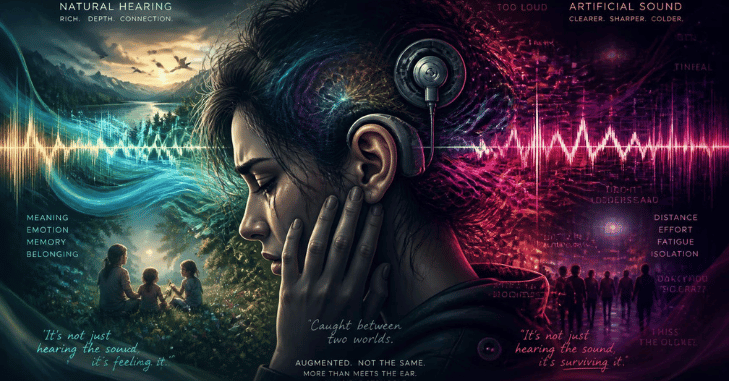
“Activation doesn’t make the world sound normal immediately. People who previously heard acoustically may describe early sound as “synthetic,” “mechanical,” or “distorted.” Perception can improve as the brain adapts and the processor is adjusted. Still, some users continue to struggle with music, competing voices, emotion in speech, or noisy rooms.
why cochlear implants are bad The FDA reports that television may be easier when the viewer can see the speaker’s face, while radio can be harder because it offers no visual cues. Musical enjoyment also varies widely. A person may gain useful access to speech while still needing captions, lip-reading, sign language, assistive listening equipment, or quieter environments.
4. Outcomes Are Uncertain
Success stories can create the impression that everyone hears speech clearly after activation. Outcomes are far less predictable.
Results may depend on:
- When hearing loss began
- How long severe hearing loss has been present
- The condition of the auditory nerve
- Age at implantation
- Consistency of device use
- Access to rehabilitation
- Other medical or developmental factors
- Expectations before surgery
The National Institute on Deafness and Other Communication Disorders says users don’t all perform at the same level. It also stresses that learning or relearning hearing requires significant therapy.
A successful result for one person may mean understanding telephone conversations. For another, it may mean noticing environmental sounds. Patients and families should define success before surgery.
5. Rehabilitation Requires Time and Support
The operation is only one stage. After healing, the external processor is activated and programmed. Further appointments are needed to adjust the sound map.
Many users also work with audiologists, speech-language pathologists, teachers, or auditory-verbal specialists. Practice may include identifying sounds, separating speech from noise, and connecting electrical signals with words.
This process can demand:
- Regular clinical appointments
- Daily listening practice
- Travel to specialist services
- School or workplace accommodations
- Family participation
- Emotional patience
NIDCD states that interpreting the device’s signals takes time and practice.
Families with limited insurance, transportation, specialist access, or flexible work schedules may find the follow-up burden difficult. That can affect the result even when surgery goes well.
6. The Device Creates Long-Term Dependence
The internal implant may stay in place for decades, but the user still relies on external equipment and commercial support.
Daily and long-term needs can include:
- Charged or disposable batteries
- Processor cables, coils, and microphones
- Replacement accessories
- Software programming
- Repairs
- Manufacturer-compatible upgrades
- Protection from impact, moisture, or static electricity
Some parts may be expensive to replace. A processor failure can temporarily remove access to sound.
Medical procedures also require planning. Modern systems may permit magnetic resonance imaging under specific conditions, but compatibility depends on the exact model and scan. Patients must tell medical teams about the implant before an MRI or certain electrical treatments.
7. Meningitis Risk Requires Attention
People with these devices have a higher risk of certain forms of bacterial meningitis, particularly pneumococcal meningitis. The Centers for Disease Control and Prevention recommends pneumococcal vaccination for children and adults who have an implant. Recommended doses should generally be completed at least two weeks before surgery when possible.
Vaccination lowers risk but doesn’t prevent every possible case. Candidates should review their vaccine history with the implant center, primary care clinician, or pediatrician. This point should inform preparation, not create panic. The risk is serious enough to address and manageable enough to discuss clearly.
Why Is the Procedure Controversial in the Deaf Community?
Medical discussions often define deafness mainly as a condition to treat. Many Deaf people also understand it as a cultural and linguistic identity built around shared experiences, community, and signed languages. From this perspective, the concern isn’t always the technology itself. The problem may be the assumption that a Deaf person must be changed to live a full life.
Pressure becomes especially sensitive when hearing adults make irreversible decisions for young children. Critics may worry that families will focus so heavily on spoken language that they delay or reject sign language.
The National Association of the Deaf advises families to provide full language access. It states that visual language doesn’t interfere with auditory learning and can benefit children whether they use hearing aids, implants, or neither.
The debate shouldn’t force families into a false choice between technology and sign language. A child can use a device while also gaining access to Deaf adults, signed communication, captions, and other visual supports.
Are Cochlear Implants Ever a Good Choice?
Yes. Many users gain meaningful access to speech, environmental sound, education, work, relationships, and emergency information.
The question isn’t whether the technology is always good or always bad. It’s whether the likely benefits match one person’s needs and values.
A strong candidate typically has:
- Severe hearing difficulty not adequately addressed by well-fitted hearing aids
- An auditory nerve capable of receiving stimulation
- Realistic expectations
- Access to programming and rehabilitation
- A clear understanding of surgical risks
- Personal willingness to use the device
For children, the decision should include language access and family support rather than relying on the device alone.
Questions to Ask Before Surgery
Bring written questions to the audiologist and surgeon. Consider asking:
- What benefit is realistic in quiet and noisy settings?
- How much remaining hearing could be lost?
- Which complications are most relevant to this patient?
- How many mapping and rehabilitation visits are expected?
- What happens if the device fails?
- Which costs may not be covered by insurance?
- Is the model compatible with MRI scans?
- What communication support is recommended alongside it?
- Can we speak with users who had similar hearing histories?
- What alternatives should we consider?
For a child, also ask how the care plan will guarantee accessible language from the start.
Alternatives and Complementary Options
Not everyone needs to choose between implantation and no support. Depending on the type of hearing loss, options may include:
- Properly fitted hearing aids
- Bone-conduction or bone-anchored devices
- Assistive listening systems
- Remote microphones
- Captions and speech-to-text tools
- American Sign Language or another signed language
- Lip-reading and visual communication strategies
- Environmental alerts
- Classroom or workplace accommodations
Some people combine several approaches. An implant can be one communication tool rather than the person’s entire communication plan.
The Bottom Line
These devices aren’t inherently bad. They can offer major benefits, but they also involve medical, practical, financial, linguistic, and personal tradeoffs. Avoid deciding based on a viral activation video or a frightening headline. Seek an evaluation from a qualified implant team, ask for realistic outcome ranges, review vaccination needs, and include the user’s communication preferences.
Why cochlear implants are bad: For children, protect access to a complete language, whether or not the family chooses implantation. For adults, the final choice should belong to the informed person who will live with the device.
Apart from that, if you want to learn about the article Dysregulated Nervous System, then visit our health category.
Frequently Asked Questions
Critics point to surgery, loss of remaining hearing, uncertain speech outcomes, lengthy rehabilitation, equipment dependence, and cultural pressure. The drawbacks differ by person, so the device should be assessed through informed consent rather than broad claims.
Permanent complications are possible but uncommon. Potential harms include facial-nerve injury, loss of residual hearing, persistent balance problems, infection, or a need for revision surgery. Individual risk should be discussed with an experienced surgeon.
No. The device converts sound into electrical signals. The brain learns to interpret them, but the result differs from natural hearing. Speech understanding and sound quality vary.
Yes. Sign language and implant use aren’t mutually exclusive. Visual language can provide reliable communication while listening and speech skills develop.
It can be surgically removed, but removal requires another operation. Natural hearing lost during implantation may not return.