
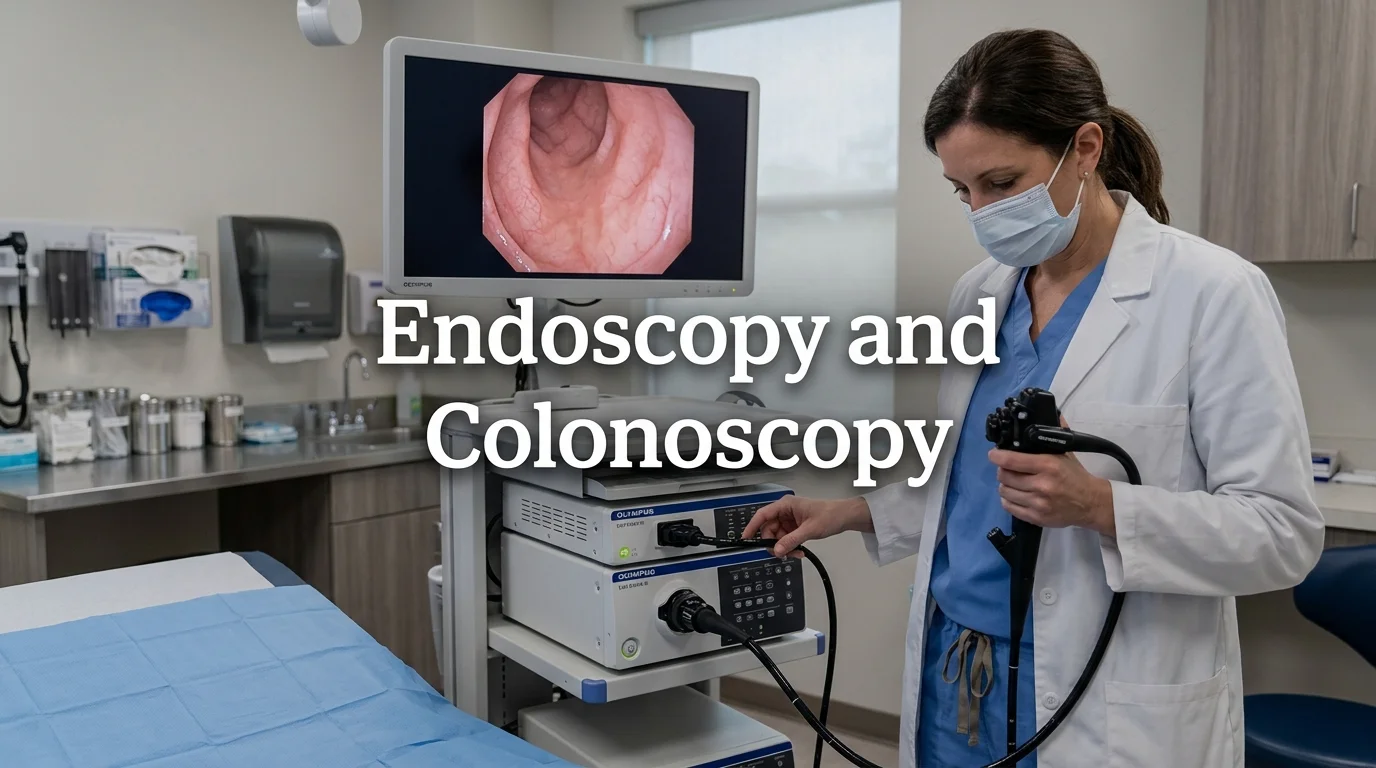
If your doctor recommends endoscopy and colonoscopy, the names can make the procedures sound more similar than they actually are. Both use a flexible camera to examine the digestive tract, but they enter the body from different directions and examine different organs. Depending on your symptoms, screening needs, and medical history, you may need one procedure or both. We cover this in more depth in Endoscopy vs Colonoscopy.
In everyday medical conversations, “endoscopy” often means an upper gastrointestinal endoscopy, also called an upper GI endoscopy or esophagogastroduodenoscopy (EGD). It examines the esophagus, stomach, and first part of the small intestine, while a colonoscopy examines the rectum and colon. Both procedures can also allow a gastroenterologist to take tissue samples or perform certain treatments while examining the digestive tract.
Direct answer: Endoscopy and colonoscopy are camera-based procedures used to examine different parts of the digestive system. An upper endoscopy enters through the mouth to inspect the esophagus, stomach, and duodenum, while a colonoscopy enters through the anus to examine the rectum and colon. Doctors may perform either test separately or both during the same visit.
Endoscopy vs. Colonoscopy at a Glance
| Feature | Upper Endoscopy (EGD) | Colonoscopy |
|---|---|---|
| Area examined | Esophagus, stomach, duodenum | Rectum and entire colon |
| Scope enters through | Mouth | Anus |
| Common reasons | Heartburn, swallowing problems, upper abdominal symptoms, bleeding, ulcers | Rectal bleeding, bowel changes, abdominal symptoms, colorectal cancer screening |
| Bowel cleansing required | Usually no | Yes |
| Fasting required | Yes | Yes, along with bowel-prep instructions |
| Biopsy possible | Yes | Yes |
| Growths or polyps may be removed | In selected situations | Yes, including colon polyps |
| Sedation | Often used | Sedation or anesthesia is commonly used |
| Can both be done the same day? | Yes, when medically appropriate | Yes, when medically appropriate |
What Is an Endoscopy?
Technically, endoscopy is a broad term for procedures in which a clinician uses an endoscope to look inside the body. However, when a gastroenterologist tells a patient that they are having “an endoscopy,” the clinician often means upper GI endoscopy or EGD. The flexible scope passes through the mouth and throat into the esophagus, stomach, and duodenum.
Doctors may recommend an upper endoscopy for ongoing heartburn, upper abdominal pain, nausea or vomiting, difficulty swallowing, unexplained gastrointestinal bleeding, or other concerning upper-digestive symptoms. The procedure can help identify problems such as inflammation, ulcers, narrowing, Barrett’s esophagus, celiac disease, and some cancers. A doctor can also pass small instruments through the endoscope to collect a biopsy, stop bleeding, or treat certain abnormalities.
Occasional indigestion or nausea does not automatically mean you need an invasive test. Mild, short-lived symptoms may have very different causes than persistent or worsening problems, as HealthySpire’s guide to an upset stomach and digestive discomfort explains. Your healthcare professional decides whether an upper endoscopy is appropriate based on your symptoms, history, examination, and other testing.
What Is a Colonoscopy?
A colonoscopy uses a long, flexible colonoscope with a camera to examine the rectum and the entire colon, which makes up most of the large intestine. Doctors use it to look for inflammation, ulcers, polyps, bleeding, and colorectal cancer. They may also take biopsies or remove polyps during the examination.
A doctor may recommend colonoscopy because of rectal bleeding, persistent diarrhea, abdominal pain, unexplained weight loss, or a significant change in bowel habits. Persistent constipation or a sudden change from your normal bowel pattern may also require medical evaluation, depending on the surrounding symptoms and risk factors. HealthySpire’s guide to how long you can safely go without pooping provides additional context on symptoms that shouldn’t be managed at home.
Colonoscopy also has an important preventive role because doctors can detect and remove precancerous polyps before some of them develop into cancer. This ability to both examine the colon and remove suspicious polyps distinguishes colonoscopy from screening methods that only identify a possible problem. An abnormal result from several other colorectal screening tests generally needs follow-up with colonoscopy.
Why Would a Doctor Order Endoscopy and Colonoscopy?
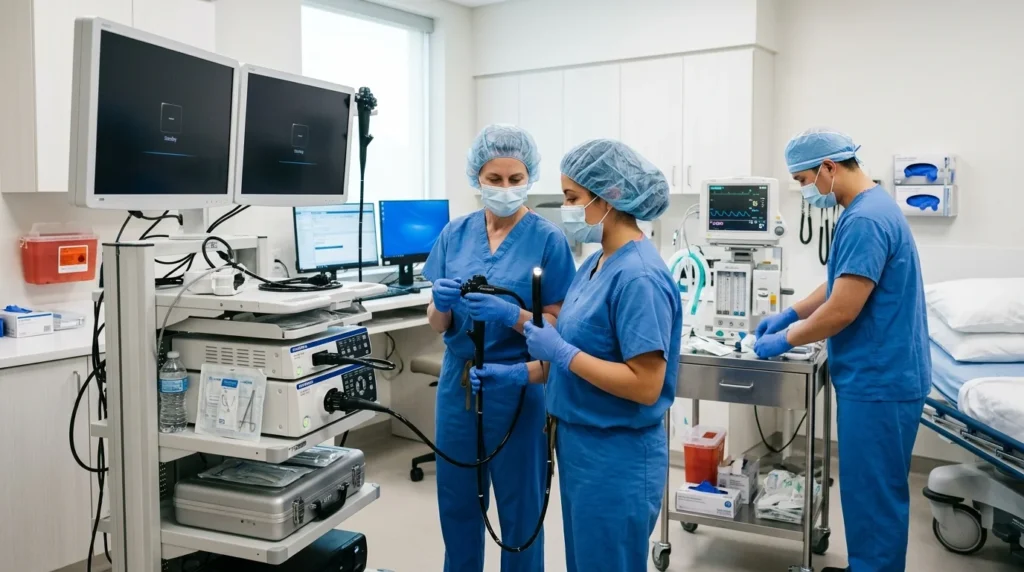
A doctor usually chooses the procedure based on the part of the gastrointestinal tract that needs investigation. Upper digestive symptoms may point toward EGD, while lower digestive symptoms or colorectal cancer screening may point toward colonoscopy. When symptoms or test results could originate from either area, examining both ends of the digestive tract may provide a more complete evaluation.
A healthcare professional might consider one or both procedures for any of the following reasons.
- Unexplained gastrointestinal bleeding.
- Iron-deficiency anemia that requires investigation.
- Persistent abdominal symptoms.
- Difficulty or pain with swallowing.
- Ongoing nausea or vomiting.
- Persistent heartburn with concerning features.
- Rectal bleeding.
- Significant changes in bowel habits.
- Unexplained weight loss.
- Evaluation of abnormal imaging or laboratory findings.
- Colorectal cancer screening or surveillance.
- Follow-up of previously identified polyps or gastrointestinal disease.
Having one symptom on this list does not mean you automatically need both tests. A gastroenterologist considers your age, medical and family history, previous tests, medications, symptoms, and risk factors before recommending an examination. Your personal indication also affects how the procedure is prepared for, billed, and followed up.
Can Endoscopy and Colonoscopy Be Done at the Same Time?
Yes, a clinician can perform an upper endoscopy and colonoscopy during the same visit when both are medically appropriate. Performing EGD and colonoscopy in the same session is often called same-day bidirectional endoscopy. A 2025 U.S. study describes same-day bidirectional endoscopy as a common approach when both the upper and lower GI tract need examination.
Doing both together may reduce the need for two separate facility visits and two separate recovery periods. Patients still need to complete the colonoscopy bowel preparation and follow the facility’s fasting instructions before the combined procedure. Whether doing both on the same day is appropriate depends on the reason for testing, individual medical risks, scheduling, and the gastroenterologist’s recommendation.
How to Prepare for an Upper Endoscopy
Upper endoscopy requires an empty stomach so the doctor can see the upper digestive tract clearly and perform the procedure safely. NIDDK notes that patients may be instructed not to eat or drink for up to eight hours beforehand, although the exact instructions can vary. Your facility’s written directions should always take priority over a general fasting rule found online.
You should also tell the medical team about prescription drugs, over-the-counter medicines, vitamins, supplements, allergies, and relevant medical conditions. Medicines that affect bleeding, diabetes medications, and other drugs may require individualized instructions rather than simply being stopped on your own. Never alter an important prescription medication before a procedure unless the clinician managing your care tells you how to do so.
Fasting rules can be confusing because medical fasting is different from intermittent or religious fasting. HealthySpire’s guide to medical and other types of fasting explains why the rules change according to the reason for fasting. For a scheduled EGD or colonoscopy, however, follow the instructions from your endoscopy center.
How to Prepare for a Colonoscopy
Colonoscopy preparation is more involved because the colon needs to be clear of stool. Your healthcare team will give you written instructions that may include dietary changes for several days, a clear-liquid period, and a prescribed laxative preparation taken at specific times. Completing the bowel preparation properly matters because remaining stool can hide the colon lining and make abnormalities harder to see.
The bowel-cleansing medicine causes frequent diarrhea, so plan to remain close to a bathroom once you begin taking it. Depending on the preparation, part of the dose may be taken the evening before the colonoscopy and another part on the morning of the examination. If vomiting, severe symptoms, or another problem prevents you from completing the preparation, contact the healthcare team rather than inventing a replacement schedule yourself.
Clear-liquid instructions also vary, particularly regarding when all liquids must stop before sedation or anesthesia. NIDDK lists examples such as water, clear broth, certain pulp-free juices, and plain coffee or tea without milk or cream during the appropriate stage of bowel preparation, while noting that patients receive specific instructions from their healthcare professional. Follow the exact cutoff times and permitted-liquid list supplied by your endoscopy center.
What Happens During the Procedures?
During an upper endoscopy, you lie on an examination table while the doctor carefully passes the endoscope through your mouth and into the upper gastrointestinal tract. A camera sends images to a monitor, allowing the doctor to examine the tissue closely and take samples or perform treatment when needed. The scope does not block your breathing.
During colonoscopy, you also lie on an examination table while the colonoscope is passed through the anus and rectum into the colon. The clinician inspects the colon lining and can remove polyps or take biopsies through instruments passed inside the scope. Patients generally do not feel a biopsy or polyp being removed.
If you are having both procedures during the same appointment, the healthcare team performs them sequentially while following the facility’s sedation and monitoring protocol. The actual procedure is only part of your visit because check-in, preparation, sedation, monitoring, and recovery also require time. Your endoscopy center can tell you how much time to set aside.
Are You Awake During Endoscopy and Colonoscopy?
Sedation commonly makes gastrointestinal procedures more comfortable, but not every patient receives the same type or depth of sedation. NIDDK states that patients undergoing upper endoscopy will likely receive a sedative, although some procedures may be performed without one. Colonoscopy also commonly involves sedatives or anesthesia, depending on the patient, facility, and procedure.
Some people remain responsive but very relaxed, while others receive deeper sedation and remember little or nothing about the examination. Your medical team monitors you while sedating medications are active because these drugs can affect breathing, blood pressure, and heart function. Tell the team beforehand about previous anesthesia or sedation problems, sleep apnea, heart or lung disease, allergies, and every medication or supplement you use.
Sedation also means you generally cannot drive yourself home afterward. Both NIDDK procedure guides advise arranging transportation because sedative or anesthetic effects take time to wear off. Make transportation arrangements before you arrive, rather than assuming you will feel well enough to drive after the test.
What Is Recovery Like?
After an upper endoscopy, you may experience temporary bloating, nausea, or a sore throat. After colonoscopy, mild abdominal cramping or bloating is common during the early recovery period. Staff monitor you as sedation wears off and provide instructions for eating, medications, activity, and symptoms to watch for once you return home.
Many people recover substantially by the next day, but sedation-related restrictions may apply for the rest of the procedure day. Your personal recovery instructions can differ if the doctor removed a large polyp, treated bleeding, performed another intervention, or has concerns about your medical condition. Follow the discharge paperwork you receive even when it differs from a friend’s previous experience.
Some findings can be discussed immediately after the examination, although you may still be sleepy when the doctor explains them. Biopsies and removed polyps must usually be examined by a pathology laboratory, so those results take longer. Make sure you know how and when the office will communicate pathology findings, rather than assuming that no phone call means everything was normal.
What Are the Risks of Endoscopy and Colonoscopy?
Both procedures are generally considered low risk, but no invasive medical procedure is completely risk-free. Potential complications include reactions to sedatives, bleeding, and a perforation or hole in the gastrointestinal tract. The risk can vary according to age, health conditions, medications, and whether the doctor performs treatments such as polyp removal during the examination.
For screening colonoscopies, the National Institute of Diabetes and Digestive and Kidney Diseases cites research showing perforation in about 3 per 10,000 procedures and bleeding in about 15 per 10,000 procedures. It also notes that these complications were more common among older people and people who had polyps removed. These figures describe study findings rather than predicting one individual patient’s risk.
Contact your medical team or seek urgent medical care after a procedure if you are instructed to do so for symptoms such as those listed below.
- Severe or worsening abdominal or chest pain.
- Difficulty breathing.
- Worsening difficulty swallowing after upper endoscopy.
- Fever.
- Vomiting blood or material resembling coffee grounds.
- Black, tarry stool.
- Heavy or persistent rectal bleeding.
- Severe weakness, dizziness, or other concerning symptoms.
A small amount of rectal bleeding can occur after a colon biopsy or polyp removal, but significant or persistent bleeding needs medical attention. Some colonoscopy bleeding can be delayed, so don’t ignore warning signs just because several days have passed. Follow the emergency instructions the facility provided because they are tailored to the exact procedure you received.
When Is Colonoscopy Recommended for Colorectal Cancer Screening in the U.S.?
For average-risk adults without colorectal cancer symptoms, the U.S. Preventive Services Task Force recommends colorectal cancer screening beginning at age 45. It recommends screening for all adults ages 45 through 75, while screening between ages 76 and 85 is individualized based on health, previous screening, and patient preferences. The recommendation applies to average-risk adults and is not a substitute for the different follow-up schedules used for people with previous polyps, inflammatory bowel disease, hereditary syndromes, or other elevated-risk situations.
Colonoscopy is only one accepted screening strategy. For an average-risk person who chooses colonoscopy and has a normal examination, the USPSTF recommends colonoscopy every 10 years, along with several stool-based and other visualization options with different testing intervals. Abnormal findings on certain non-colonoscopy screening tests require follow-up colonoscopy to complete the screening process.
An upper endoscopy does not replace colorectal cancer screening because it examines a different portion of the digestive tract. Likewise, having a colonoscopy does not examine the esophagus or stomach. Your healthcare professional can help determine whether you need screening, diagnostic evaluation, or surveillance based on your individual risk.
Frequently Asked Questions
Is a colonoscopy a type of endoscopy?
Yes, technically a colonoscopy belongs to the broader family of endoscopic procedures because it uses a scope to examine inside the body. In everyday gastroenterology conversations, however, “endoscopy” often refers specifically to an upper GI endoscopy or EGD. That distinction is why patients may hear a clinician say they are scheduling “an endoscopy and a colonoscopy” even though colonoscopy itself uses endoscopic technology.
Which is better, endoscopy or colonoscopy?
Neither procedure is universally better because they examine different anatomical areas and answer different medical questions. Upper endoscopy is appropriate when the esophagus, stomach, or duodenum needs evaluation, while colonoscopy inspects the rectum and colon. The right test depends on your symptoms, screening needs, previous findings, and medical history.
Can endoscopy and colonoscopy detect cancer?
Both can help doctors identify suspicious tissue and obtain biopsies for laboratory examination. Upper endoscopy may detect abnormal tissue in areas such as the esophagus or stomach, while colonoscopy can identify colorectal cancers and precancerous polyps. A visual finding alone does not always establish a cancer diagnosis, which is why biopsy and pathology results can be important.
Can you have endoscopy and colonoscopy on the same day?
Yes, doctors can perform both during one session when there is an appropriate medical reason to examine the upper and lower gastrointestinal tract. The combined approach is known as same-day bidirectional endoscopy and is used in U.S. gastroenterology practice. You still need to follow the complete bowel preparation and fasting instructions supplied for the appointment.
Which procedure requires more preparation?
Colonoscopy generally requires more preparation because the doctor must clear stool from the colon before inspecting its lining. Upper endoscopy usually requires fasting but does not normally require the laxative bowel cleanse used for colonoscopy. If both tests are scheduled together, patients generally need to satisfy the colonoscopy bowel-prep requirements as well as the facility’s fasting instructions.
Will I be able to drive home afterward?
You generally should not plan to drive yourself home when you receive sedation or anesthesia. NIDDK advises patients undergoing these procedures to arrange a ride because the medications need time to wear off. Follow your facility’s restrictions on driving, work, alcohol, major decisions, and other activities after sedation.
The Bottom Line
Endoscopy and colonoscopy examine different sections of the digestive tract, so the procedure you need depends on the medical question your doctor is trying to answer. Upper endoscopy looks at the esophagus, stomach, and duodenum, while colonoscopy examines the rectum and colon and can also play a major role in colorectal cancer screening and polyp removal. When both areas need evaluation, the procedures can sometimes be completed during the same appointment.
The most important preparation step is to follow your gastroenterology or endoscopy center’s instructions exactly, especially for bowel cleansing, fasting, medication changes, and transportation. Do not stop prescription medication or change your bowel-prep schedule based solely on information online. If you are unsure about an instruction, contact the healthcare team performing your procedure before the appointment.